Why Get Married in Colombia: A Guide for Couples Coming from Abroad
Colombia works for a destination wedding for three concrete reasons: geographic variety within a few hours of travel, a creative industry with international experience, and a quality-to-budget ratio that is hard to find elsewhere. In one trip you can move from the Caribbean to a colonial city, from a cool savanna to a tropical mountain, or from coffee country to a major capital.
I have had the chance to work across several regions of the country over the years, and I still believe it has everything needed to host extraordinary destination weddings: culture, food, architecture, flowers, and a kind of hospitality that visitors remember.
But a destination wedding is not simply picking a beautiful place far from home. It is a project of travel, hospitality, logistics and design that has to make your guests feel looked after from the first piece of information they receive until they get home.
The range of landscapes
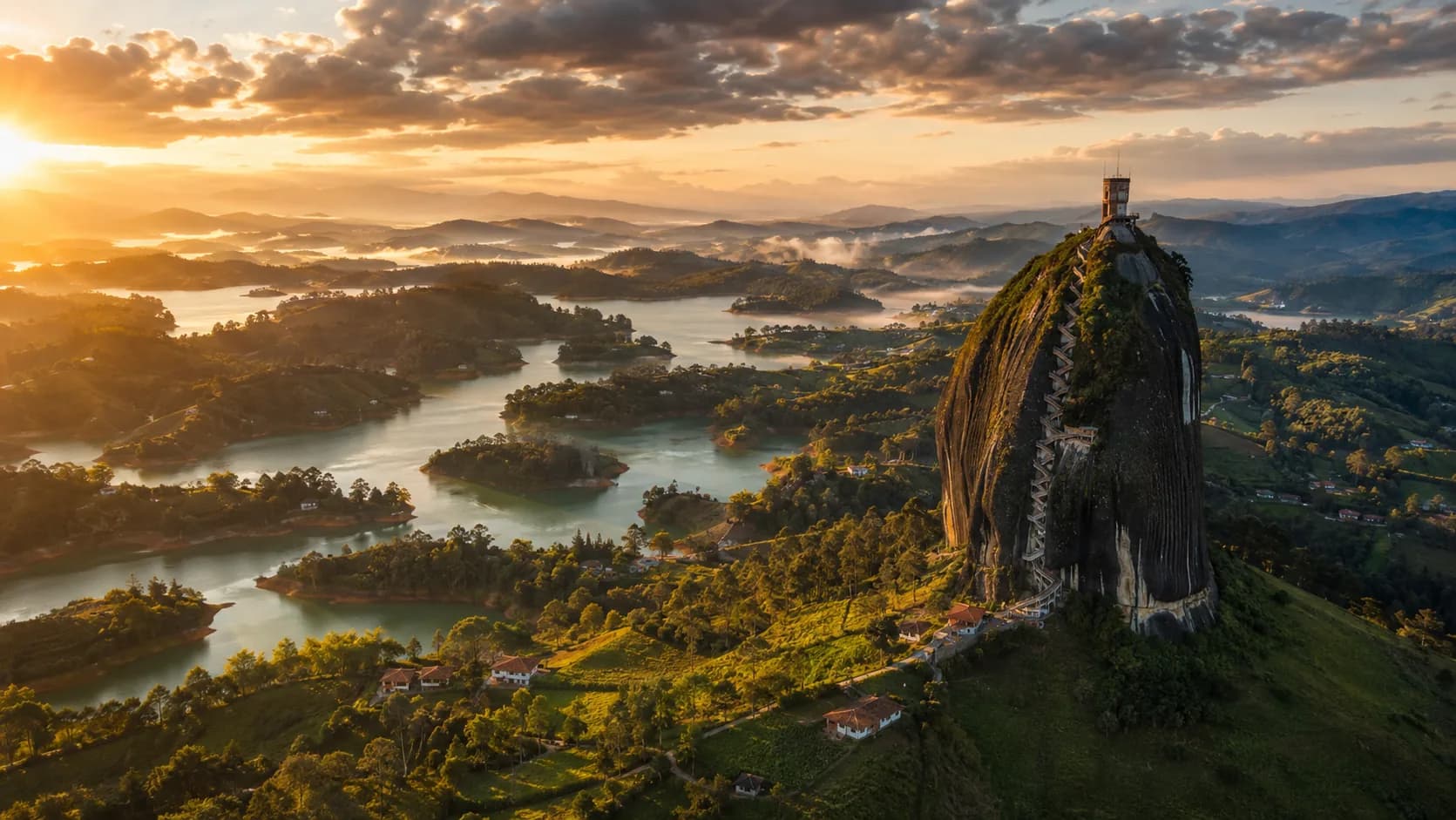
Cartagena offers colonial walls, courtyard houses and the sea. Santa Marta and Palomino combine beach with wilderness. Medellín and eastern Antioquia have mountains, forest and haciendas. Bogotá and its savanna hold large country estates. Villa de Leyva keeps a genuinely historic atmosphere. And the Coffee Region delivers green landscapes, traditional architecture and experiences built around coffee.
That range is why two weddings in the same country can look nothing alike. It also means the flight your guests take is one flight, not three: most of these are within an hour or two of an international airport.
Culture your guests can actually experience
A destination wedding lets guests see the country beyond the reception. Music, cooking, dance, craft, markets, historical tours, coffee and nature can all become welcome or farewell activities. The experience has to be curated with judgement so it represents the place authentically — not as decoration borrowed from it.
A creative industry with real depth
Colombia has floral designers, chefs, producers, musicians, photographers, hotels and planners with experience on both national and international events. The availability of flowers and materials, combined with real craft capacity, makes it possible to build highly personalised projects. Worth knowing: Colombia is one of the largest flower exporters in the world, so what would be a premium import elsewhere is local here.
What it costs, and what the number has to include
For couples travelling from abroad, Colombia can offer a genuinely attractive quality-to-budget ratio. But a destination wedding has to account for transport, lodging, taxes, currency conversion, setup hours and transfers between cities. Comparing one vendor’s price without looking at the full logistics gives you a misleading picture of the real cost — and currency movement between the quote and the payment is part of that picture.
Local planning is not optional
Knowing the destination is indispensable. A local team understands seasons, travel times, restrictions, weather, which vendors are reliable and how things actually get done. They can also run site visits so you can make decisions without flying in for each one.
Regional vendors know the weather, the roads, the seasons, the curfews and the real conditions of each venue. They cut down on transfers and solve problems faster. When you bring a vendor in from another city, you are adding transport, lodging, meals, equipment freight and extra hours to the budget.
An agenda for the people who travelled
A welcome dinner, a cultural tour, a food experience or a farewell brunch help guests get something out of the trip. You do not need to fill every day. Leave free time, and be explicit about which moments are expected and which are optional — people who crossed a border to be there deserve to know the difference.
Information is part of the hospitality
Give your guests a guide: flights, hotels, transport, weather, what to wear, currency, safety recommendations and who to contact. One channel for questions keeps you from answering the same thing thirty times. Negotiating room blocks and transport routes is worth the effort — and for guests who have never been to Colombia, clear practical information does more for their comfort than any welcome gift.
Antioquia and Medellín as a destination
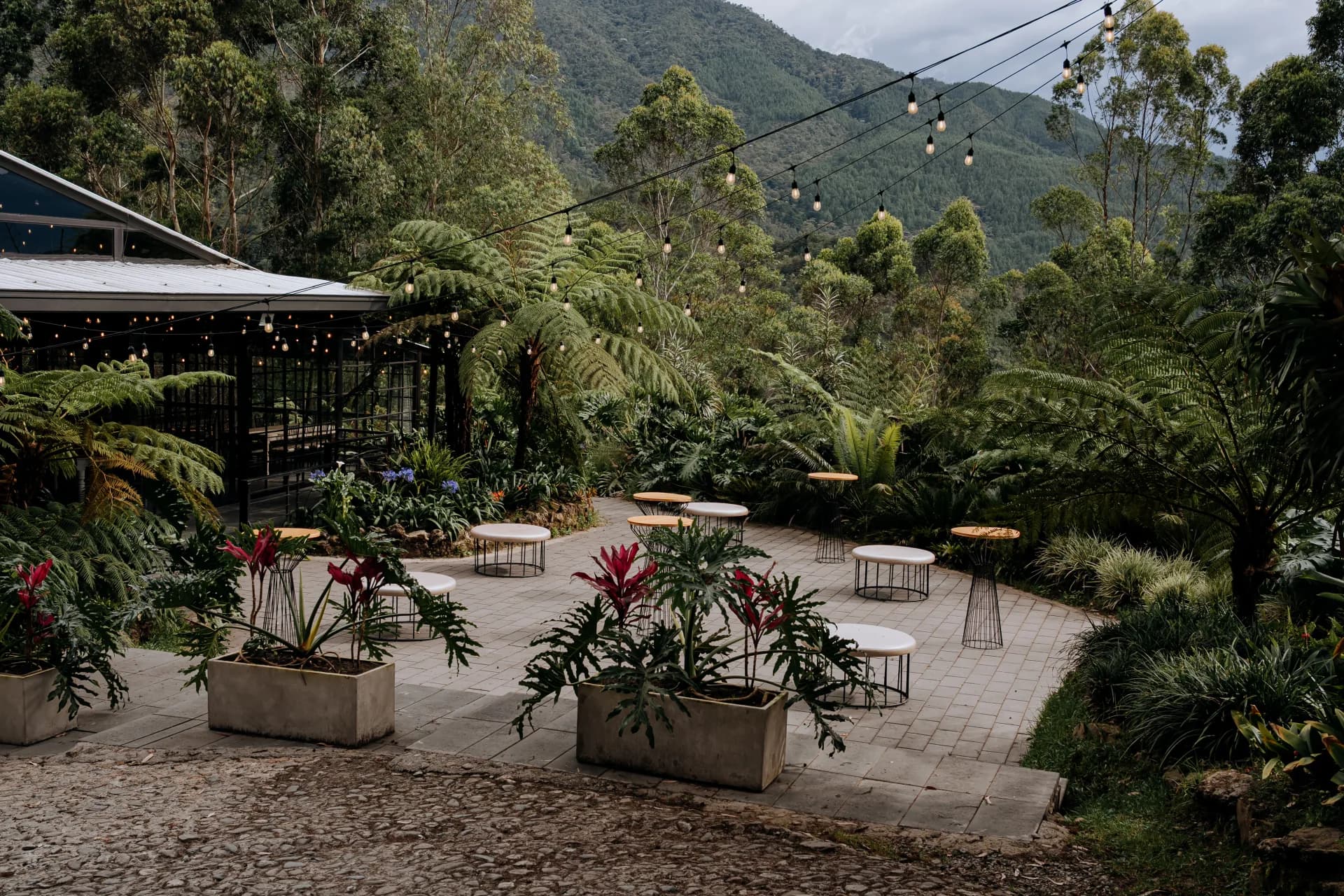
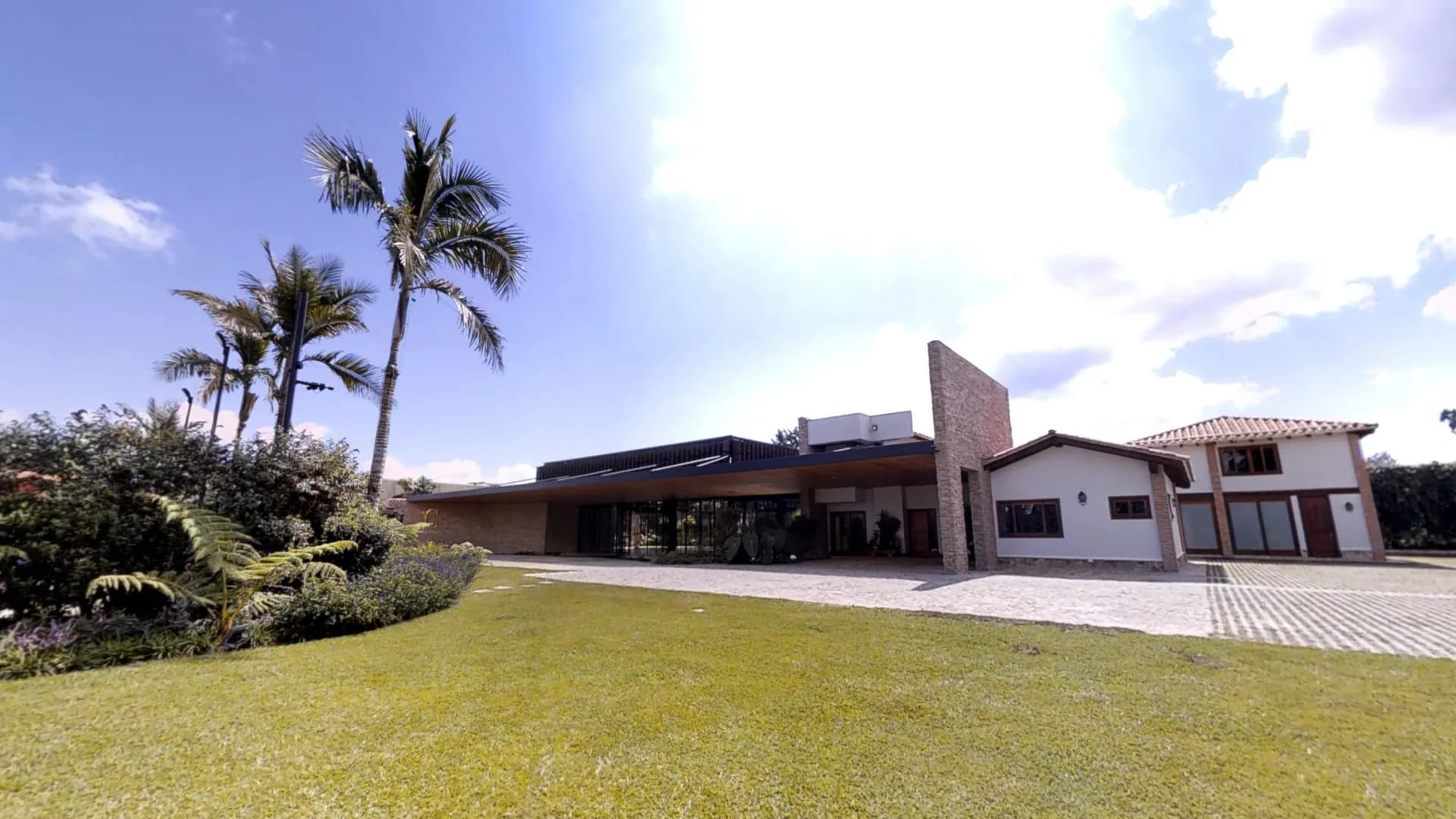
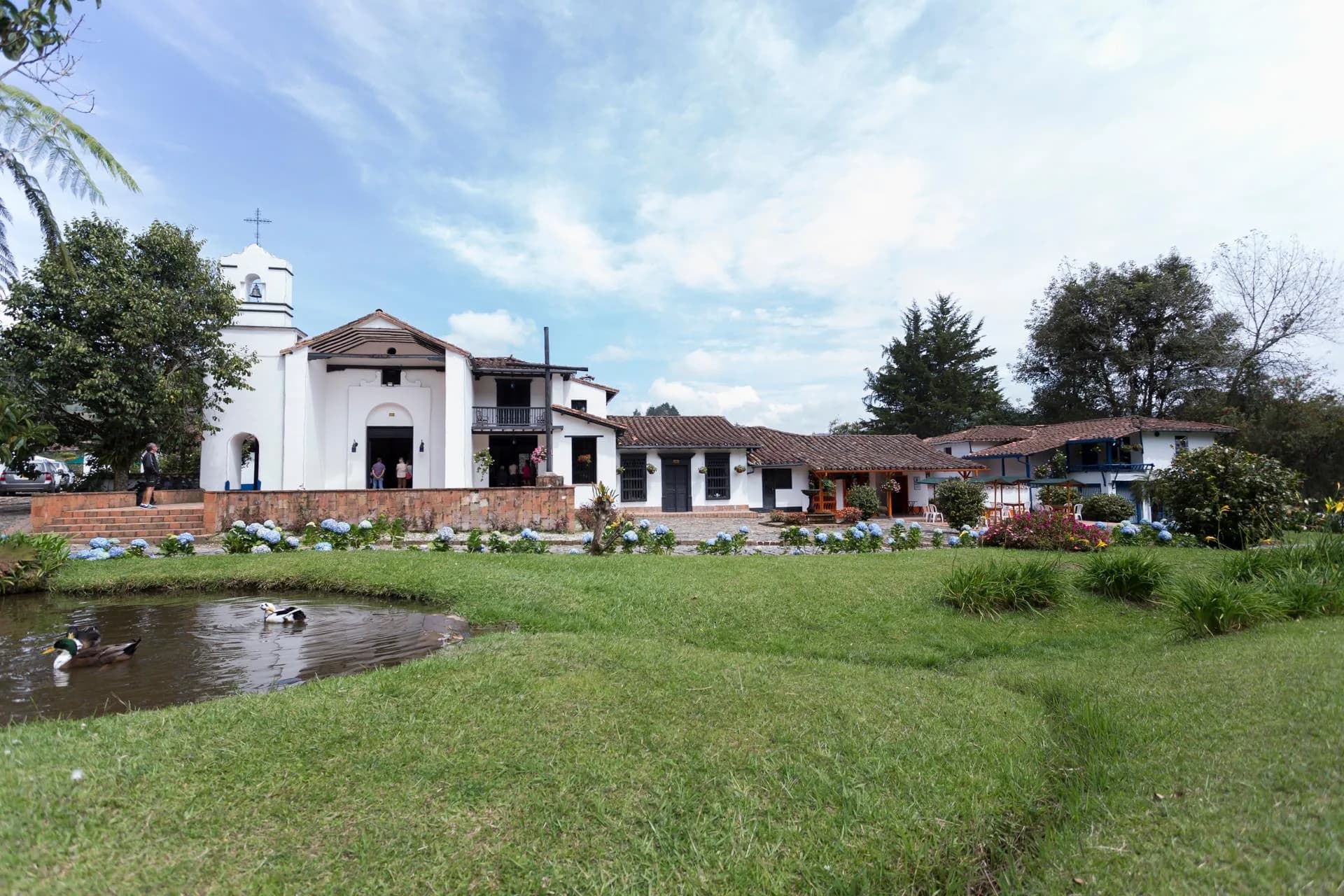
Antioquia combines mountains, forest, contemporary architecture, haciendas, food and proximity to an international airport. Eastern Antioquia and the municipalities around Medellín offer venues at very different scales and styles. The city itself brings hotels, restaurants, event spaces, creative services and a well-earned reputation for hospitality — which lets you combine an urban experience with a celebration in the mountains nearby.
Specific venues in the region, with real capacities and rates, are linked at the end of this article.